Field Notes · 7 min read
Comfort and devotion are not opposites
The old idea that a yatra must be harsh to be sincere has kept a generation of pilgrims from ever going. A gentler view.
Shamila Kohli · September 2025
One of the most persistent ideas in Indian pilgrimage is that comfort dilutes devotion — that a warm bed at the end of a hard day somehow makes the day count for less. It is a beautiful idea, and it is also the reason many of the pilgrims who most want to travel never do.
We reject it, gently. The tapasya of a yatra is in the walking, the waking before dawn, the queueing, the altitude, the emotion of the shrine. It is not in a cold room with a leaking geyser. A hot bath after Kedarnath does not undo Kedarnath. It lets you return the next morning as a pilgrim rather than a patient.
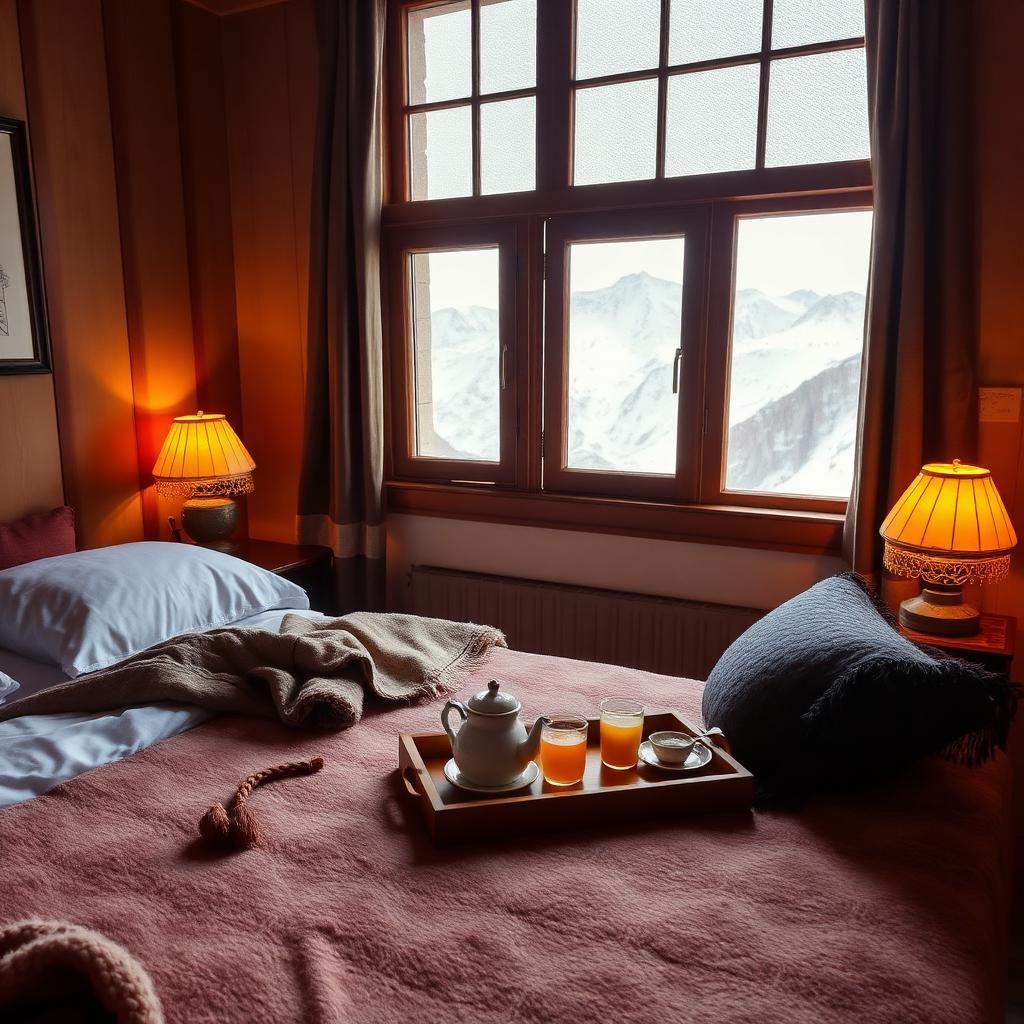
So we choose the warmest guesthouses we can find on every route. Wool blankets, working heating, sattvic meals cooked with care, hot water when the body most needs it. Where the road is remote — Kailash, the higher Panch Kedar shrines — we camp, but we camp well: insulated tents, real beds, a doctor within reach.
The pilgrims who walked with their grandparents in the 1970s often remember the discomfort as part of the sanctity. That is a valid memory. But the eighty-year-old sitting across from us today has different knees, and she deserves to reach the shrine too. Comfort, in that sense, is not a luxury. It is what makes the yatra possible.